
Autism Spectrum Disorder (ASD) often affects communication skills, making speech therapy essential for many. Advances in artificial intelligence (AI) are transforming the way speech therapy is provided to individuals with autism, creating new opportunities for personalized and effective communication support.
1. How AI Tools Support Communication in Autism
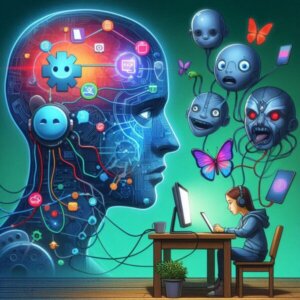
AI-powered speech tools use advanced algorithms to analyze speech patterns and provide real-time feedback, making speech exercises more interactive. For nonverbal individuals, some apps can convert gestures or symbols into speech. Tools like LAMP Words for Life and Avaz offer customizable vocabularies that cater to individual communication needs, enhancing smoother communication.
2. Personalized Speech Therapy at Home

A major benefit of AI tools is their ability to tailor therapy activities to the individual. By learning from user behavior, these tools adjust therapy sessions based on progress. This flexibility allows individuals with autism to work at their own pace, making therapy more effective and less stressful.
3. Accessible and Convenient Communication Support
Many AI-powered tools are available as mobile apps, allowing users to practice speech therapy from home. This reduces dependence on in-person sessions, making therapy more accessible and affordable for families.
Conclusion
AI-powered speech tools are revolutionizing communication therapy for individuals with autism by providing accessible, personalized, and effective solutions. As technology advances, these tools continue to improve, helping individuals on the autism spectrum build communication skills and gain greater independence.
goooooooooood
goooooood
Real-time feedback on speech patterns is the part that stands out here—for kids who need repetition, having an algorithm respond instantly rather than waiting for a weekly session could make practice far less frustrating. The gesture-to-speech conversion for nonverbal individuals is an equally practical use of the same underlying pattern-recognition tech. That same kind of model now powers consumer tools too; EveryGenAI applies similar AI to video and image effects, which shows how far accessible these capabilities have become beyond clinical settings.
Thank you for sharing your insights! AI has exciting potential to support communication and make practice more accessible, while personalized guidance and individual needs remain essential.