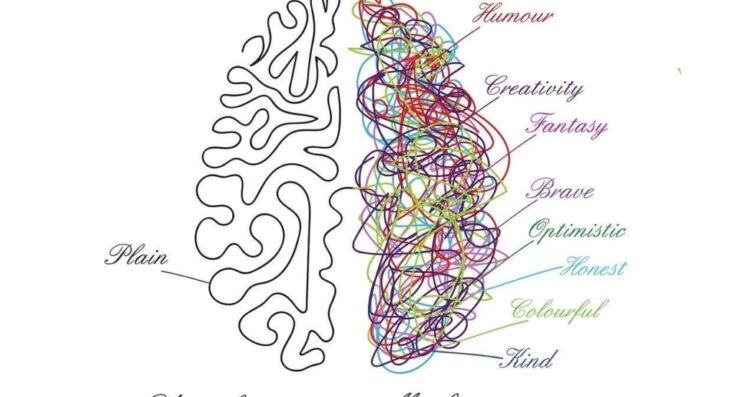
An Autism Spectrum Disorder (ASD) diagnosis can be an overwhelming experience. While the diagnosis brings clarity, it also opens the door to many questions. Chief among them is what challenges it will bring.
The various types of autism affect children’s development and behavior in unique ways, and this continues into adulthood. Recognizing these distinctions is crucial for choosing the right therapies, communication strategies, and support systems.
Every individual diagnosed with ASD experiences it differently. Recognizing the different types of autism in children and adults empowers families to support their autistic loved ones effectively and compassionately.
Understanding the Autism Spectrum
Although the term “autism” is often used broadly, the reality is more nuanced. So, before diving into the various types of autism, let’s examine how the spectrum works.
In 2013, the American Psychiatric Association revised the Diagnostic and Statistical Manual of Mental Disorders (DSM-5), consolidating previously separate diagnoses under the umbrella term Autism Spectrum Disorder.
This decision reflected what clinicians and families already knew: autism incorporates a wide spectrum of abilities, behaviors, and communication styles.
Children (and adults) with autism may be nonverbal, socially withdrawn, and rigid in their routines. They may just as easily be highly articulate and eager to interact. However, most individuals with ASD experience challenges with social communication and/or repetitive behaviors or restricted interests.
According to data and statistics published by the CDC, 3.2% of children aged 8 years have been identified with ASD. The ways their challenges present and how intensely they affect daily life are expressed in the different types of autism.
Classic Autism (Autistic Disorder)

Individuals with classic autistic disorder show significant delays in language, social engagement, and cognitive development.
Common signs include:
- Delayed or absent speech and intellectual disability
- Repetitive behaviors like hand-flapping, rocking, or spinning. Echolalia is also common. This is defined as the repetition of words or phrases.
- Difficulty understanding social cues and minimal interest in engaging with others or the environment. Limited eye contact is common. But there may also be hyperfixation of specific interests and sensitivity to stimuli.
High-Functioning Autism and Asperger’s Syndrome

The term “high-functioning autism” describes individuals who, despite strong language skills and average to above-average intelligence, struggle with social interaction and sensory processing. In the past, individuals now described as high-functioning autistic were diagnosed with Asperger’s.
They often excel in academic or artistic areas, yet struggle with social interactions, forming relationships, and understanding nonverbal communication.
Key traits include:
- Difficulty reading social cues or understanding sarcasm
- Sensory sensitivities (for example, to lights, sounds, or textures)
- Routine-driven behavior
The sensitivity to lights, sounds, and textures is why it is so important to choose the right colors and lighting for an autism-friendly space.
Atypical Autism/PDD-NOS
Atypical autism, also known as pervasive developmental disorder not otherwise specified (PDD-NOS), is characterized by mild to moderate autism symptoms. It is considered atypical because it does not fit the typical criteria for classic autism or Asperger’s syndrome.
It was this diagnosis in particular that led to our current understanding of autism on a spectrum. For families, these cases often bring the most uncertainty. But early action, regardless of label, can make a profound difference in outcomes.
Childhood Disintegrative Disorder (CDD)
Another atypical form of autism, albeit rare, is childhood disintegrative disorder or CDD. This describes a significant regression after at least two years of typical childhood development. It occurs mostly in children ages 3 to 10.
Children with CDD can lose their language skills, social skills, and motor abilities. They may even experience issues with bladder or bowel control during this period.
Co-Occurring Conditions and Autism Subtypes
Autism rarely exists in a vacuum. Many children and adults on the spectrum experience co-occurring conditions, which can affect daily life.
ADHD (Attention-Deficit/Hyperactivity Disorder) often overlaps with ASD. Anxiety disorders are common. Many children with autism experience high levels of anxiety in unpredictable environments.
Seizures are also more common among individuals with autism.
Recognizing these additional needs is essential for effective support and treatment.
The Need for Early Diagnosis and Treatment
Early diagnosis is critical. Effective treatment approaches can lead to significant improvements in communication and daily living skills.
Treatments may include:
- Speech and language therapy
- Sensory integration therapy
- Structured teaching methods
- Parent training and behavioral coaching
The Reality of Autism in Adults
Even with the best of treatment and the most supportive environments, many of the challenges of autism continue into adulthood. And they can multiply as adults on the spectrum.
When cognitive decline affects autistic seniors, it is helpful to consult specialists who understand both aging and autism.
In-home nursing care offers a solution. It allows seniors with autism to receive supportive care in familiar surroundings. This prevents the anxiety they would otherwise experience in leaving their homes to receive specialized nursing care.
Every Story Within the Autism Spectrum is Unique
Understanding the types of autism helps people accept and support the uniqueness of every individual on the spectrum. No two journeys on the autism spectrum are alike. And all individuals with this diagnosis deserve acceptance, encouragement, and the resources needed to thrive.
Your loved one with ASD may be highly verbal and even academically gifted. Or they may experience profound communication challenges. They could also fall in between these two extremes. Whatever the case, knowing what to expect helps you provide compassionate and effective support.
thank you very nice website article
Thank you for the information in this article. Excellent work!