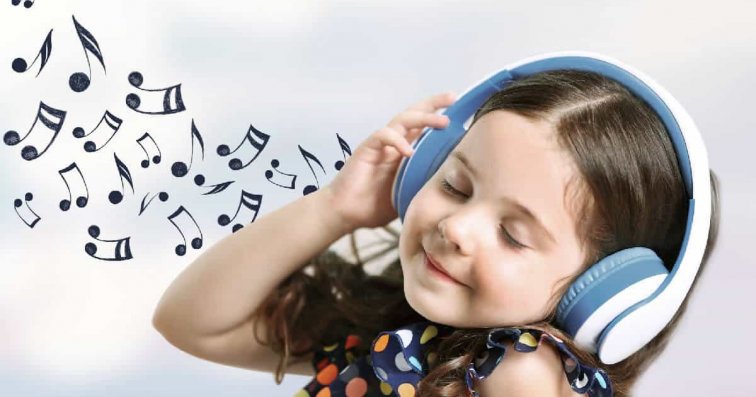
Music works on the brain in a unique and powerful way. The human nervous system naturally responds to rhythm, often syncing heart rate, breathing, and emotional states to the tempo of sound. For autistic individuals who may struggle with sensory regulation, predictable rhythmic patterns can create a sense of safety and stability. A slow, steady beat can gently guide the body toward relaxation, helping reduce stress and emotional overload.
Most importantly, music creates connection. When a caregiver and child share a song, clap together, or move to the same rhythm, they are engaging in a form of communication that goes beyond words. In this shared moment, music becomes more than just sound it becomes a space where understanding, calm, and emotional bonding can naturally grow.
Melody also plays an important role in communication. Many autistic individuals find it easier to express themselves through music than through spoken language. Singing, humming, or even tapping along to a rhythm can become a bridge for emotional expression. Music therapy sessions often use instruments, vocal sounds, and rhythmic games to encourage interaction and build confidence in communication. For parents and caregivers, incorporating music into daily routines can be surprisingly simple.
In this blog, we’ll explore how and why rhythm and melody have such calming effects in autism, the science behind music’s impact on the autistic brain, and practical ways families and professionals can use music to support emotional well-being, focus, and connection in everyday life.
Why Rhythm and Melody Matter in Autism

-
The Brain Responds Strongly to Music
Music activates multiple areas of the brain at once emotion, memory, motor skills, and language. For individuals with autism, this multi-sensory engagement helps bypass traditional communication barriers. Rhythm, in particular, provides structure and predictability, which is often comforting for autistic individuals who thrive on routine.
-
Rhythm Creates a Sense of Safety
Consistent beats and patterns help regulate the nervous system. A steady rhythm can:
- Reduce anxiety and overstimulation
- Lower heart rate and stress levels
- Provide grounding during emotional overwhelm
How Melody Supports Emotional Regulation

-
Melody Helps Express Emotions Without Words
For individuals who are non-verbal or minimally verbal, melody becomes a language of emotion. Music allows them to express joy, sadness, frustration, or calm without needing spoken words. Soft melodies can soothe heightened emotions, while familiar tunes offer comfort and emotional reassurance.
-
Music Reduces Sensory Overload
Unlike unpredictable environmental noises, music can be controlled and intentional. Slow tempos, soft instruments, and familiar songs help mask harsh sensory input and create a calming auditory environment. This is especially helpful during:
- Meltdowns
- Transitions between activities
- Bedtime routines
- Therapy or learning sessions
Benefits of Rhythm and Melody for Individuals with Autism

-
Improves Focus and Attention
Rhythmic patterns help the brain anticipate what comes next, improving concentration. Many educators use rhythmic songs to teach daily routines, instructions, or social skills.
- Classroom learning
- Therapy engagement
- Task completion
-
Enhances Communication and Social Connection
Music encourages interaction without pressure. Music therapy has been shown to improve social responsiveness and emotional expression in autistic children and adults. Group singing, clapping, or instrument play promotes:
- Eye contact
- Turn-taking
- Shared attention
- Emotional bonding
-
Supports Motor Coordination and Body Awareness
Rhythm guides movement. This is especially beneficial for individuals with motor planning difficulties while activities like dancing, drumming, or tapping help improve:
- Coordination
- Balance
- Body awareness
Conclusion
Rhythm and melody are more than just sound; they are tools for connection, regulation, and healing. For individuals with autism, music offers a safe space where emotions can flow, stress can ease, and communication can flourish. By understanding and embracing the calming effects of rhythm and melody, we can create more inclusive, supportive, and emotionally nurturing environments for individuals on the autism spectrum.
Faculté Sciences Économiques et Gestion great article!
Are there more information regarding about this topic for us to research for?
You can explore many more related topics on our website https://www.autismconnect.com
Beautiful article, Thank you!
Thank you so much for your thoughtful feedback! We’re really glad you found the information valuable and enjoyed reading the article
Very neat blog post.Really looking forward to read more. Awesome.
Thank you for your kind words! We’re glad you enjoyed the post and appreciate your support. We look forward to sharing more content with you.