
Autism Spectrum Disorder
Engaging in do-it-yourself (DIY) activities can be a wonderful way for parents and children with Autism Spectrum Disorder (ASD) to bond, promote communication, and develop various skills. Here are some DIY activities that can be enjoyable and beneficial:
Sensory Bottles:
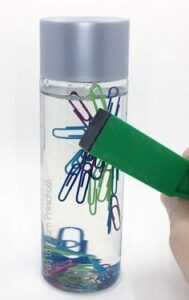
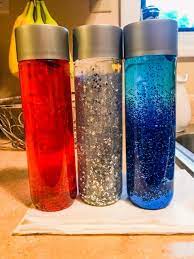
Create sensory bottles using water, glitter, beads, and other visually stimulating materials.
Encourage your child to shake, roll, and observe the different textures and colors.
DIY Fidget Toys:
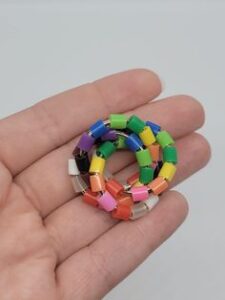
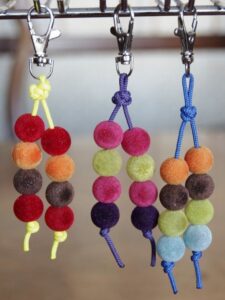
Make fidget toys together using materials like stress balls, fabric, and rice.
Discuss how these toys can be used for self-regulation in different situations.
Visual Schedule Board:
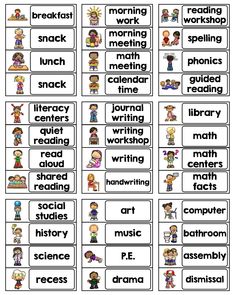
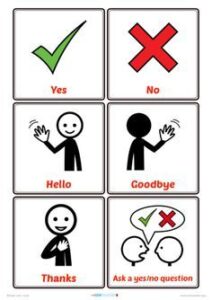
Work together to create a visual schedule with pictures and symbols.
Use this schedule to help your child understand daily routines and transitions.
Art and Craft Projects:

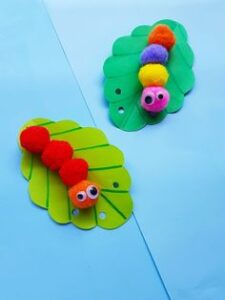
Engage in simple art projects using various materials like paper, paint, glue, and beads.
Encourage creativity and self-expression through drawing, painting, or crafting.
Cooking and Baking:
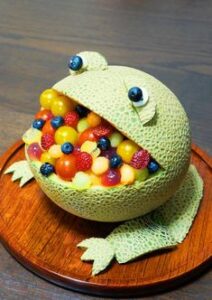

Choose simple recipes and involve your child in the cooking or baking process.
This can improve fine motor skills, sequencing, and sensory exploration.
Nature Exploration:
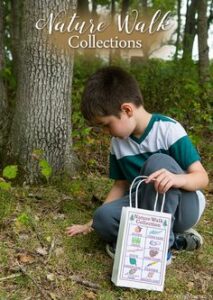
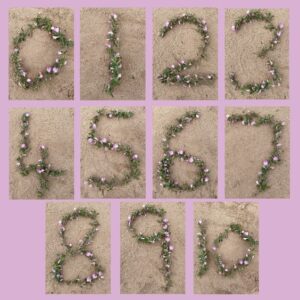
Take a nature walk and collect leaves, stones, or flowers.
Create a nature-themed art project or a sensory bin with the collected items.
DIY Puzzles:
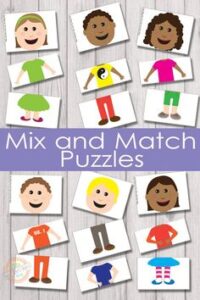
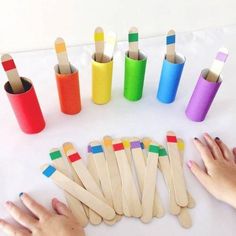
Create personalized puzzles by cutting out pictures from magazines or using family photos.
Work together to assemble the puzzles, promoting problem-solving skills.
DIY Sensory Mats:
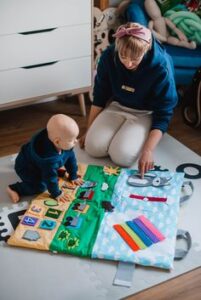

Make sensory mats with various textures like fabric, sandpaper, and faux fur.
Use these mats for calming and sensory exploration.
Storytelling with Props:
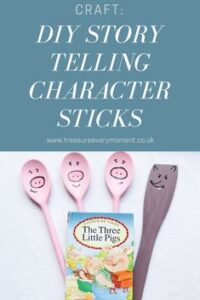

Create simple props for storytelling, such as felt characters or a cardboard puppet theater.
Encourage your child to participate in storytelling using the props.
Gardening:
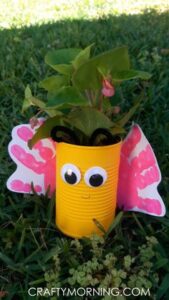

Plant flowers or vegetables together in a small garden.
This activity can teach responsibility and provide a calming outdoor experience.
Music and Movement:
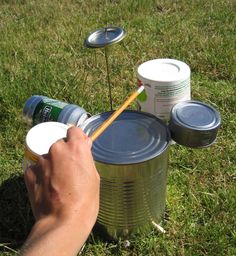
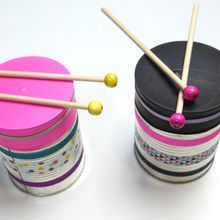
Create simple musical instruments using household items like rice-filled bottles or cardboard drums.
Engage in music and movement activities activities to encourage coordination.
DIY Board Games:
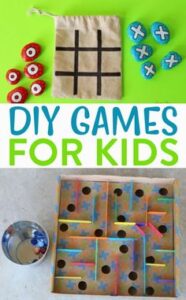
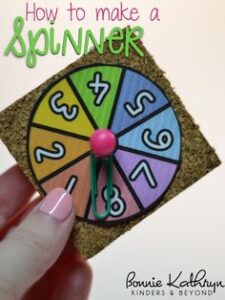
Design and create a simple board game together.
This can be a fun way to work on turn-taking, social skills, and following rules.
Remember to tailor these activities to your child’s preferences and sensitivities, allowing them to engage at their own pace. Additionally, provides a comfortable and supportive environment to foster positive interactions.

It’s important to note that specific interventions and activities may vary based on an individual’s unique needs and preferences. For personalized advice and tailored activities, consulting with healthcare professionals, special education experts, or therapists who have experience working with individuals on the autism spectrum is recommended.
No specific singular resource was used for the information provided, and the suggestions are intended to be general and adaptable to various situations. Always consider the specific needs and preferences of the child when engaging in activities.
thank you for great information about DIY Activities for Parents and Children with Autism Spectrum Disorder to Bond, Promote Communication, and Development skills
Thank you so much for your kind words! I’m glad you found the information about DIY activities for parents and children with Autism Spectrum Disorder helpful. Our goal is to provide resources that foster bonding, communication, and developmental skills. If you have any specific questions or need further information on any topic, feel free to ask. We’re here to support you!
thank you
Thank You.
Can you be more specific about the content of your article? After reading it, I still have some doubts. Hope you can help me.
We appreciate your feedback and are happy to clarify any doubts you may have
A useful way to approach these projects is to let the child control the pace and choose the materials. With a bottle, caregivers can offer a few colors or textures rather than presenting too many options at once. Shaking, rolling, and watching the contents also creates several ways to engage with the same object. The homemade fidget-toy idea could be adapted similarly by comparing soft fabric, rice-filled shapes, and stress balls while respecting individual preferences and comfort.
Thank you for sharing such a thoughtful idea! Giving children choices and allowing them to explore at their own pace can make these activities more enjoyable and meaningful.
Building the activity together can make the setup part as engaging as the finished item. A bottle can be adjusted gradually by changing one material at a time, then inviting the child to shake or roll it and notice what changes. Pairing that with simple homemade fidget toys gives families options for different moments and preferences without requiring complicated supplies.
Thank you for sharing such a thoughtful perspective! We agree that involving children in creating these activities can make the experience more engaging and meaningful
A useful next step is to make each activity easy to repeat and adjust rather than treating it as a one-time craft. A sensory bottle can be prepared with a small set of visual materials, while a homemade fidget can offer a different kind of tactile choice. Letting the child shake, roll, or simply observe at their own pace keeps the activity flexible and lowers pressure to use it in one “correct” way.
Thank you for this valuable insight! We love the idea of making sensory activities flexible and pressure-free for children.
Sensory bottles and homemade fidget toys offer a flexible starting point because the activity can be adjusted around materials, movement, and visual detail. Letting a child shake, roll, or observe a bottle also creates opportunities to notice which textures or colors hold attention comfortably. Keeping the setup simple and giving a choice between a few materials can make the project feel more while preserving curiosity.
Thank you for sharing these thoughtful insights! We agree that sensory activities can be adapted to suit each child’s individual preferences. Keeping the setup simple and offering choices can make these activities both enjoyable and meaningful while encouraging exploration.
A helpful way to make these activities more manageable is to offer just one material choice at a time, then let the child decide whether to continue, change it, or stop. Sensory bottles can be adjusted gradually by varying movement and visual detail, while homemade fidgets can invite simple collaborative choices about filling or fabric. That flexibility keeps the focus on exploration of colors, movement, and rather than completing a fixed craft outcome.
Thank you for sharing these helpful suggestions. We completely agree that giving children choices and allowing them to explore at their own pace can make sensory activities more comfortable and enjoyable. We appreciate your thoughtful contribution!
These activities can also be adapted around a child’s preferences and comfort level. For a sensory bottle, offering a small choice of glitter, beads, or colors may make the process more manageable while preserving the fun of shaking, rolling, and observing it. The fidget-toy idea similarly creates opportunities to compare materials such as fabric, rice, and stress balls. Keeping each project simple and allowing breaks could help children participate without turning the activity into a demanding assignment.
Thank you for sharing these helpful insights. We agree that keeping activities flexible, simple, and suited to each child’s comfort level can make sensory play more enjoyable and meaningful.