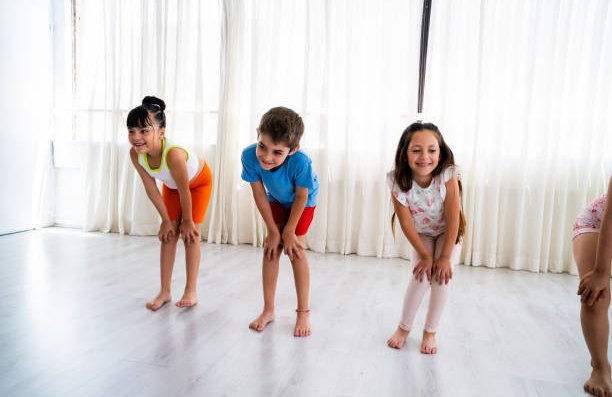
When we talk about Autism Spectrum Disorder (ASD), most conversations focus on communication, behaviour, learning, and sensory differences. However, there is another important aspect of autism that often goes unnoticed physical health, especially posture and musculoskeletal comfort. Many children and adults on the autism spectrum experience postural challenges and back pain, yet these concerns are frequently misunderstood, overlooked, or mistaken for behavioural issues.
Postural challenges in autism may show up as slouching, poor sitting balance, uneven standing, or frequent changes in body position. Over time, these postural differences can place extra strain on muscles and the spine, leading to discomfort or chronic back pain. For individuals who may have difficulty expressing physical pain, this discomfort can remain hidden, affecting their mood, behaviour, sleep, and overall quality of life.
This blog aims to raise awareness about postural challenges and back pain in autism, helping parents and caregivers recognize early signs, understand possible causes, and explore supportive strategies.
What Are Postural Challenges in Autism?

Postural challenges in autism refer to differences in the way a child or adult holds, moves, or positions their body while sitting, standing, walking, or performing daily activities. These postural differences can affect comfort, endurance, and participation in daily activities, often leading to fatigue, back pain, or decreased engagement in physical tasks. Because children with autism may have trouble expressing discomfort, postural challenges can go unnoticed for long periods, silently affecting both physical health and overall well-being.
Early recognition and support are essential to improve posture, reduce discomfort, and help children move and participate more confidently in daily life. These postural patterns may seem minor at first, but over time they can contribute to muscle strain, fatigue, and back pain.
Common Signs of Postural Challenges
Children or adults on the autism spectrum may show:
- Slouching or rounded shoulders: Often when sitting at a desk, table, or during activities.
- Forward head posture: The head leans forward instead of aligning naturally with the spine.
- Uneven sitting or standing: Weight may shift more to one side, or the child may sit or stand in an awkward position.
- Difficulty maintaining balance: Walking, running, or climbing stairs may appear uncoordinated or cautious.
- Stiff or limited movements: Some children may appear rigid, while others may move in exaggerated ways.
Why These Challenges Occur
Postural challenges in autism do not happen because a child is lazy or unwilling; they are often linked to differences in the nervous system, muscle development, and sensory processing. One common factor is low muscle tone (hypotonia), which makes it harder for children to maintain an upright posture or hold their core muscles steady. Many children with autism also experience sensory processing difficulties, meaning they may struggle with body awareness (proprioception) and have trouble knowing where their limbs are in space. This can lead to awkward positions or difficulty balancing. Additionally, motor planning challenges the brain’s ability to coordinate and plan movements can make sitting, standing, walking, or reaching more difficult, resulting in postural imbalances.
How Postural Challenges Affect Daily Life
Postural difficulties can impact:
- Comfort: Sitting or standing for long periods may cause fatigue or pain.
- Focus and attention: Discomfort from poor posture may reduce concentration in school or activities.
- Physical development: Weak core muscles or imbalanced posture can increase the risk of back pain or musculoskeletal issues over time.
- Confidence and participation: Children may avoid certain activities if movement feels difficult or painful.
The Importance of Early Awareness
Early awareness of postural challenges in children with autism is essential in preventing long-term pain and physical complications. Many postural issues develop gradually and may seem minor at first, but over time they can place extra strain on muscles, joints, and the spine, leading to discomfort or chronic back pain. Parents and caregivers play a vital role in early identification, as they are often the first to notice changes in their child’s movement or behaviour. Signs such as frequent slouching, complaints of tiredness or body discomfort, uneven walking or sitting, and resistance to physical activities may indicate underlying postural or muscular difficulties.
When these signs are recognized early, appropriate support such as physiotherapy, occupational therapy, or movement-based interventions can be introduced. Early intervention helps strengthen muscles, improve posture, reduce pain, and support overall physical comfort, allowing children to move more confidently and participate more fully in daily activities.
Conclusion
Understanding postural challenges and back pain in autism helps parents and caregivers respond with empathy rather than concern or confusion. When physical discomfort is recognized and addressed early, it becomes easier to understand a child’s behaviour, emotional responses, and daily struggles. What may appear as restlessness, irritability, or resistance is often the body’s way of communicating discomfort. Most importantly, supporting physical health strengthens the foundation for emotional balance, confidence, and developmental progress.
When the body feels supported and comfortable, children are better able to focus, engage, and grow. Every step taken toward physical well-being is a step toward helping individuals on the autism spectrum live healthier, happier, and more fulfilling lives.
Really insightful article—posture and motor challenges in autism aren’t talked about enough. It’s interesting how things like muscle tone, coordination, and sensory processing can all play a role in back pain and overall mobility.
Thank you! We’re glad you found it insightful—these challenges definitely deserve more attention.
Having a good understandment of our/our son limit is important, but as well moving beyond it is important also for people with Autism, and so is to have a good diet and get involved in body sport and outdoor activities.
Appreciate your insight. Balance between support, activity, and healthy habits really matters.
Beautiful article, Thank you!
Your feedback encourages us to keep sharing meaningful insights. Stay connected—we’d love to hear more of your thoughts in the future!
This is a appealing article by the way. I am going to go ahead Keep up the superior work.
Thank you for your kind feedback! We’re glad you found the article appealing and appreciate your encouragement. Stay tuned for more content.
nicee!!
Thank you so much for your kind words! We’re glad you found the post interesting
What can you do to stop it? My 11 year old daughter is constantly slouching – almost bent in half. I’m always nagging which is obviously not helpful, nor does it work. I’m concerned about development and an eventual need for surgery if we can’t get this under control.
Thank you for your comment. We recommend discussing your daughter’s posture with her pediatrician or a physiotherapist, who can assess the cause and suggest appropriate exercises or treatment. Early evaluation is the best way to address your concerns.
The writer approached the subject from an angle I had not really thought about before, which made the discussion more engaging.
Thank you for your kind words!