
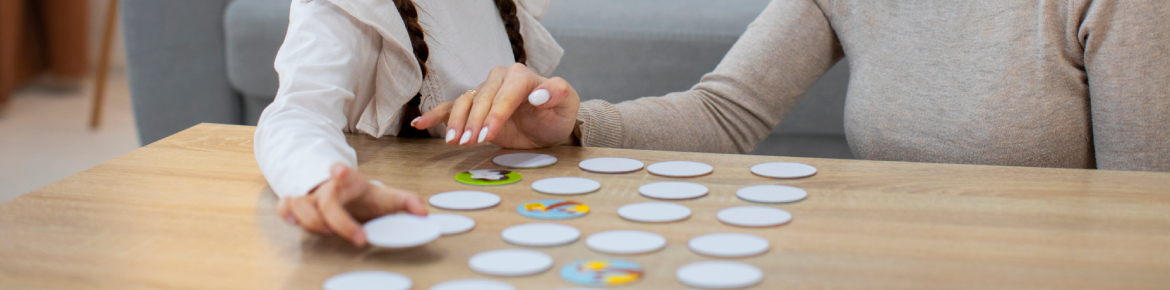
What is Social Skills Training?
Social skills training is a therapeutic approach designed to teach and practice interpersonal skills — communication, interaction, emotional understanding, social rules — to children and individuals on the autism spectrum. It often uses structured sessions, role-play, modelling, and group activities.
Does my child need Social Skills Training?
Children who have:
Difficulty interacting with peers or adults
Challenges in understanding social cues, emotions, or social rules
Trouble forming friendships or maintaining relationships
Social anxiety, isolation, or difficulties in group settings — may benefit from social skills training.
How does Social Skills Training help a child with autism?
It can:
Improve communication (verbal and non-verbal) and self-expression
Help in understanding emotions (own and others’) and appropriate responses
Teach social norms, turn-taking, sharing, cooperation, and friendship skills
Build confidence in social settings such as school, playground, group activities
Reduce social withdrawal, isolation and social anxiety
What does Social Skills Training include?
It can:
Structured lessons on social rules, emotional recognition, communication skills
Role-playing scenarios to practice social interactions and real-life situations
Group sessions or peer-mediated activities to practice socializing with peers
Visual aids, social stories, social scripts, prompts as needed to support comprehension
Collaboration with other therapies (speech therapy, OT, CBT) if needed depending on social and communicative challenges
When should Social Skills Training start?
As early as social difficulties or isolation are noticed — early introduction helps the child gradually adapt to social norms and improves peer interaction as they grow.
Who can provide Social Skills Training for a child with autism?
Special educators, psychologists, speech-language therapists, social skills trainers/therapists or multidisciplinary autism therapy centres.