
What is Physiotherapy?
Physiotherapy (physical therapy) aims to help individuals with autism improve their motor skills, coordination, posture, balance, and overall physical functioning. Through targeted exercises and movement-based activities, physiotherapists support bodily control and motor development.
Does my child need Physiotherapy?
Children who show:
Delayed or poor gross motor skills (walking, running, jumping, coordination)
Balance or posture issues
Difficulty with physical activities, weakness or poor stamina
Challenges in motor coordination, body-awareness or sensory-motor integration — may benefit from physiotherapy.
How does Physiotherapy help a child with autism?
Physiotherapy can:
Improve gross motor skills such as walking, running, jumping, climbing, coordination
Enhance posture, balance, muscle strength, flexibility and body awareness
Support sensory-motor integration, which may reduce motor planning difficulties or sensory-based behaviors
Enable better participation in physical play, sports, daily tasks requiring motor skills
Improve confidence and ease in movement — thereby supporting independence
What does Physiotherapy include?
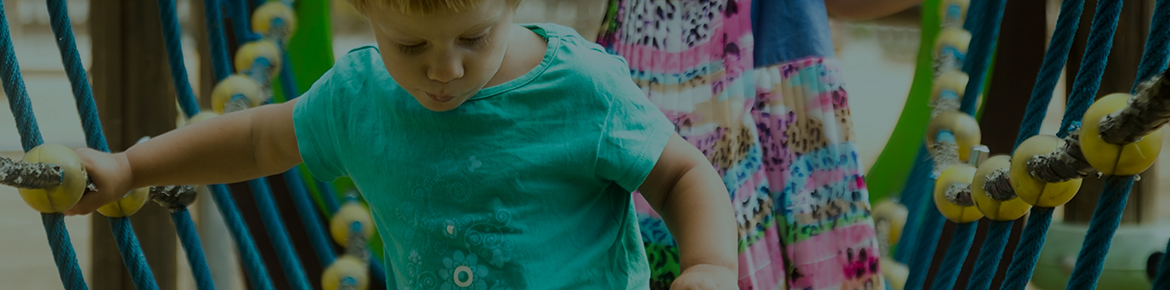
Gross motor activities (jumping, balancing, walking, climbing, running)
Exercises for strength, flexibility, posture, balance and coordination
Sensory-motor integration exercises to support body-awareness and regulation
Adapted movement-based play or functional movement tasks
Collaboration with other therapists (OT, speech) if needed to integrate motor skills with daily functioning
When should Physiotherapy start?
As soon as delays or motor difficulties become apparent — early intervention helps prevent further developmental delays and promotes better physical coordination and functioning.
Who can provide Physiotherapy for a child with autism?
Qualified physiotherapists usually based in hospitals, therapy centres, special schools, or pediatric rehab clinics. Ideally those experienced with children on the autism spectrum and motor/sensory challenges.