27 Aug 2026
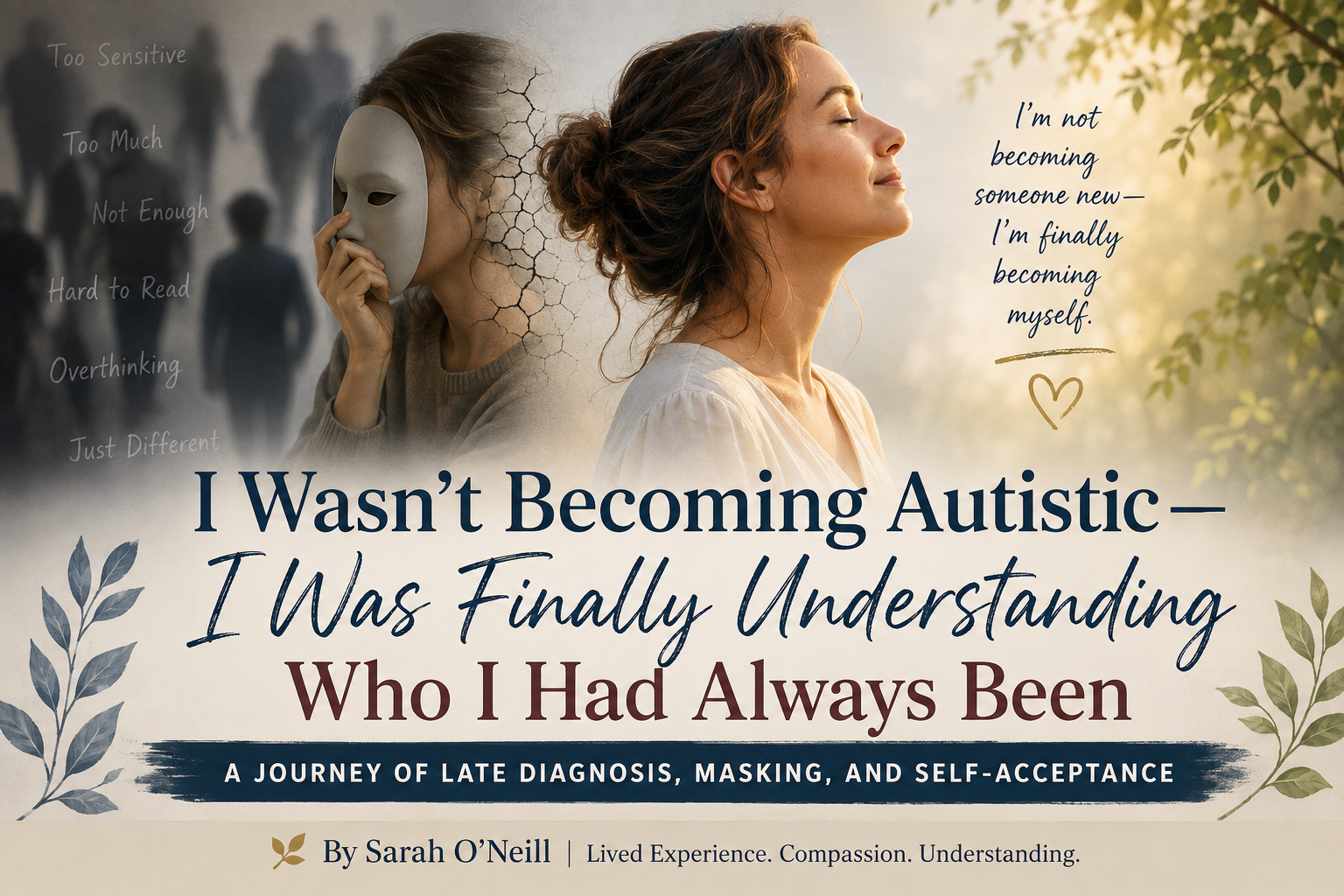
I Wasn’t Becoming Autistic — I Was Finally Understanding Who I Had Always Been
For most of my life, I knew I was different. I just didn’t know there was a name for the difference. I learned how to function by watching other people. […]
Autism Spectrum Disorder (ASD) and Autism are both common terms used for a group of complex neurodevelopmental disorders. ASD is primarily characterized by deficits in communication and social interactions, unusual behavior and interests, while impacting the nervous system and affecting overall cognitive, emotional, social and physical wellbeing of the individual. The signs and symptoms of autism are typically noticed in the first three years of life. Autism affects the way a child relates to his or her environment and their interaction with other people. Subsequently, this grossly impacts development in the areas of daily functioning and social interaction. Mental capacities may be compromised due to atypical (subnormal) functioning of some areas of the brain. Hence, children with Autism have special needs that must be addressed differently.
Autism is usually diagnosed in early childhood and despite extensive studies, the exact cause of Autism remains elusive. However, with increased awareness, rapidly evolving technology and ever-growing research, it is now understood that an intricate interplay of genetics and environmental factors may be responsible for the onset of Autism. Research has established that early diagnosis and intervention, along with access to appropriate support lead to significantly improved outcomes. When Autism is detected and treated early, disruptive behaviors can be minimized and the quality of life of the individual can be bettered and moulded significantly.
The root of the term "autism" is derived from the Greek word "autos" meaning "self".
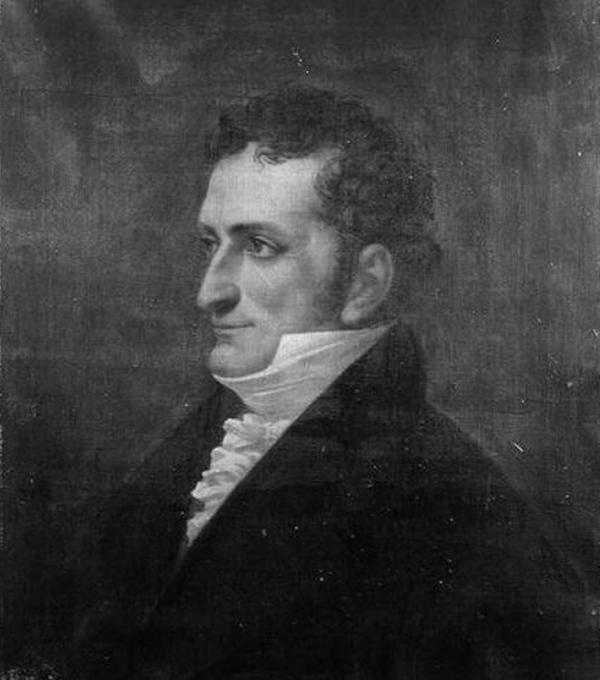
1799 Dr. Jean Itard report about Victor with his book 'An Account of a Savage' and described the symptoms of autism for the first time.
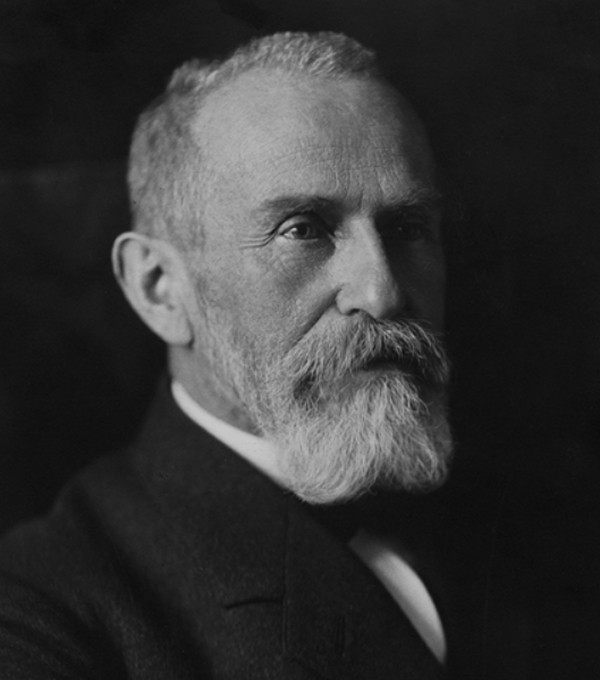
1911 Dr. Eugen Bleuler, Swiss psychiatrist first used the term autism.
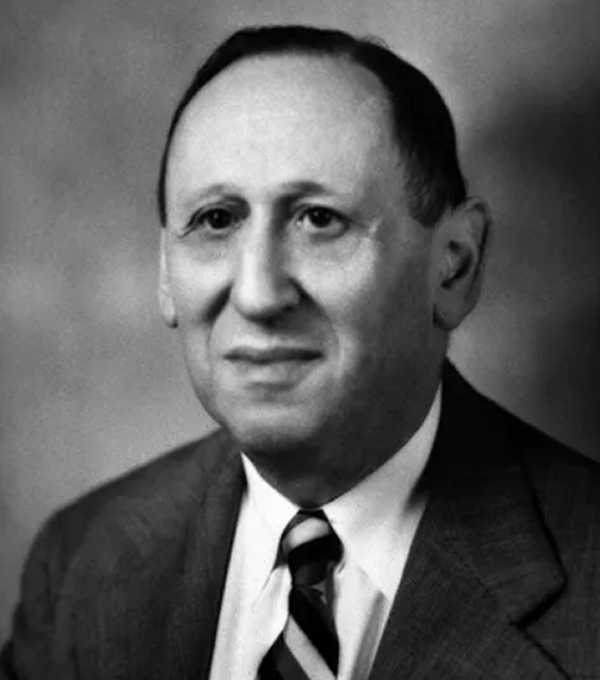
1943 Dr. Leo Kanner, Austrian psychiatrist published a series of 11 children who displayed 'early infantile autism' as a new condition.
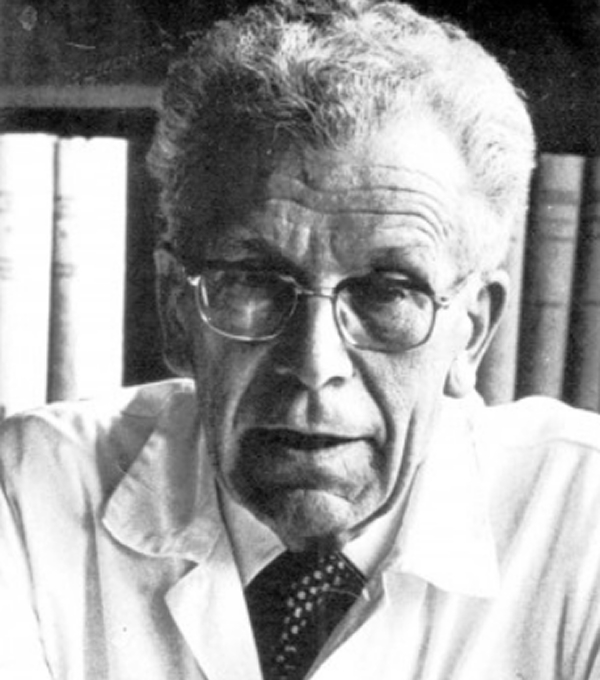
1943 Dr. Hans Asperger, Austrian pediatrician published a research paper on autism in young men.
1981 Dr. Lorna Wing, British psychiatrist introduced the term Asperger syndrome.
Paul Eugen Bleuler, a Swiss psychiatrist, first coined the term in 1911 . He used it to describe a subset of schizophrenic patients who seemed to be self- absorbed and withdrawn. As time passed, our thinking and understanding of autism has evolved dramatically. An analysis of the description of behavior traits observed in several early documented cases suggests that these are in fact cases of what we now recognize as Autism. One famous and well documented example of this would be the story of Victor, the Wild Boy of Aveyron, who was found naked in a French forest. Victor did not understand language and would eat only half-burned or roasted potatoes, walnuts and raw chestnuts. Some even believed that he had been reared by wolves. The French physician Dr. Jean-Marc Gaspard Itard took Victor under his care and brought him to Paris. Dr. Itard spent several years trying to help Victor to integrate into human society and teaching him language. He was not completely successful as Victor only learned some French words, but never fully understood the language. However, there was an improvement in Victor’s fine motor skills and communication. He also developed a friendship with his caregivers. It is now known that Victor may have been autistic and whoever he lived with was unable to understand him. Hence, although Autism seems to be a new condition, a look at its history suggests that it may have always existed..
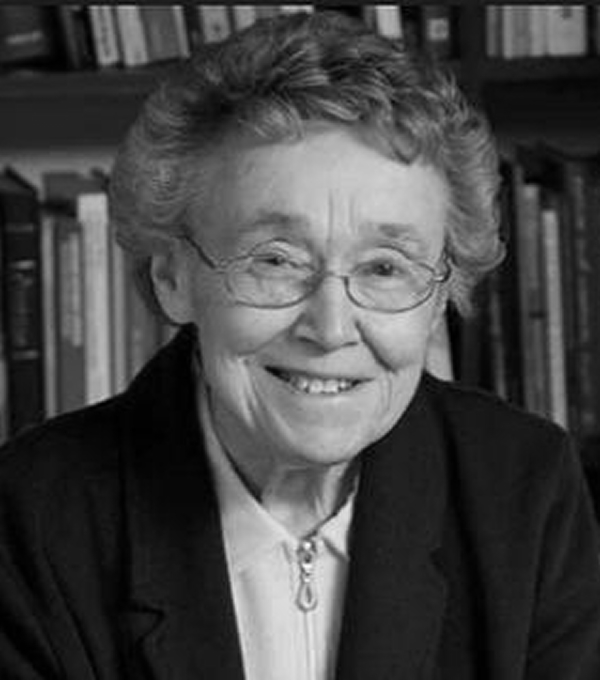
Dr. Leo Kanner (pronounced "conner") and Dr. Hans Asperger have played the most crucial roles in introducing Autism to the world. In 1943, Dr. Leo Kanner, an Austrian psychiatrist working at Johns Hopkins Hospital, published a paper describing 11 children who displayed a "strong desire of being alone", had a "resistance to change" or a "need for sameness". He introduced the term "early infantile autism" to describe his observations. A year later, Dr. Hans Asperger, also an Austrian psychiatrist, described similar characteristics in a group of children he was treating. It is was eventually accepted as a diagnosis in 1981 and coined as "Asperger’s Syndrome" by Dr Lorna Wing, an English Psychiatrist, who pioneered in child development disorders and advanced the perception of Autism, worldwide.
According to CDC, USA reports of March 24th 2023, 1 in 36 children have autism. The last decade has seen a significant jump in the incidence from 1 in 88 in 2012. This increase has been alarming. The prevalence of Autism varies considerably from country to country. No factors have been identified to contribute to the increased prevalence in different countries.
The studies have picked up a steep rise in the prevalence of autism.
Studies have also shown that boys are 5 times more likely to develop Autism than girls.
40 cases per 10,000 children
66 cases per 10,000 children
94 cases per 10,000 children
45 cases per 10,000 children
161 cases per 10,000 children
17 cases per 10,000 children
72 cases per 10,000 children
9.2 cases per 10,000 children
65 cases per 10,000 children
27 cases per 10,000 children
68 cases per 10,000 children
Lord, C., Cook, E. H., Leventhal, B. L., & Amaral, D. G. (2013). Autism spectrum disorders. Autism: The Science of Mental Health, 28(2), 217.
Feinstein, A. (2011). A history of autism: Conversations with the pioneers. John Wiley & Sons.
Starostina, N. (2016). Victor, the Wild Boy of Aveyron (c. 1788 – 1828), and the Rise of Special Education in Modern France,
Baron-Cohen, S. (2015). Leo Kanner, Hans Asperger, and the discovery of autism. The Lancet, 386(10001), 1329-1330.
Kanner, L. (1943), Autistic Disturbances of Affective Contact, Nervous Child, 2, pp.217-250.
Kanner, L. (1946), Irrelevant and Metaphorical Language in Early Infantile Autism, American Journal of Psychiatry, 103, pp.242-246.
Kanner, L. & Eisenberg, L. (1956), Early Infantile Autism 1943-1955, American Journal of Orthopsychiatry, 26, pp.55-65.
Bender, L. (1982), In Memoriam Leo Kanner, MD June 13, 1894–April 4, 1981, J Am Acad Child Psychiatry 21(1): 88-89.
Asperger, H. (1944), Die ‘Autistischen Psychopathen’ im Kindesalter, Archiv fur Psychiatrie und Nervenkrankheiten, 117, pp.76-136.
Asperger, H. (1968), Zur Differentialdiagnose des Kindlichen Autismus, Acta paedopsychiatrica, 35, pp.136-145.
Asperger, H. (1979), Problems of Infantile Autism, Communication, 13, pp.45-52
Find lots of insights and information on our blog
27 Aug 2026
For most of my life, I knew I was different. I just didn’t know there was a name for the difference. I learned how to function by watching other people. […]
25 Aug 2026
For many parents, bedtime does not always mean the end of the day. Sometimes, it means another few hours of negotiating, waiting, comforting, answering questions, managing screens, dealing with […]
04 Aug 2026
When Your Autistic Teen Says, “I Have No Friends”: A Parent’s Guide to Building Real Connections Teenage years can be socially difficult for many young people. Autism and friendships during […]
22 Jul 2026
Communication doesn’t look the same for every single child. For many kids on the autism spectrum, turning thoughts into spoken words can feel like climbing a steep mountain. Some children […]
14 Jul 2026
Mental health is not a one-size-fits-all journey. What works well for one person may have little effect on another, especially for individuals on the autism spectrum who often experience unique […]
29 Jun 2026
Puberty is an important stage of growing up. It brings physical, emotional, and social changes. Every teenager goes through puberty. However, puberty and autism can make these changes more […]